Small towns and rural dental practices face unique challenges when reducing insurance dependence. Limited patient populations, fierce local competition, and perceived patient dependency on insurance benefits create a different environment than larger urban practices. Yet many successful rural practices have built thriving fee-for-service models by leveraging their greatest advantage: deep community relationships.
The Rural Practice Advantage
Rural dentists often see the same families for decades. This creates genuine relationships and strong patient loyalty. Unlike urban practices where patients might visit any nearby provider, rural patients often have one trusted dentist in their area.
This relationship strength is your greatest asset for transitioning to fee-for-service models. Patients who've known you for 20 years are far more likely to stay when you go out-of-network than patients who picked you because you accepted their insurance.
Assessing Your Specific Situation
Population Dynamics
Before making changes, understand your community demographics:
- What percentage of your patients have dental insurance?
- What percentage of your patient base is stable long-term vs. transient?
- Are there seasonal employment patterns affecting insurance availability?
- What percentage of revenue comes from insurance-dependent patients?
Competition Analysis
How many other dentists practice in your area? Are there specialists? If you're the only general dentist within 20 miles, your negotiating position is completely different than if there are three dentists in your small town.
The Negotiation Strategy for Rural Practices
Rather than simply resigning from PPO plans, some rural dentists negotiate better contract terms before resigning. Insurance companies often have more flexibility with rural practices because losing your participation might make their plan unsustainable in your market.
Negotiation Approach
- Document your current write-offs and fee schedules
- Calculate what acceptable fee schedules would be
- Request a meeting with the insurance company's representative
- Present data: "I'm concerned about the sustainability of my practice given current reimbursement rates"
- Propose improved terms or notify them of your resignation timeline
Many insurance companies will improve terms for rural providers rather than lose coverage in a small market. Others will refuse, at which point you proceed with your out-of-network transition.
Building Community Value Rather Than Insurance Value
Rural practices successfully transition when they shift from "we accept your insurance" to "we're invested in your family's health."
Community Positioning Strategies
- Sponsor local events: School sports, community festivals, fundraisers
- Provide service: Dental education in schools, free screenings at health fairs
- Build relationships: Be active in civic organizations and community groups
- Communicate value: Regular newsletters about oral health, not insurance
- Develop a specialty: Become the "implant dentist" or "cosmetic dentist" in your region
These activities build community positioning that makes patients more likely to stay even without insurance participation.
Phased Transition for Rural Markets
Most successful rural transitions follow a phased approach:
Phase 1: Relationship Building (Months 1-6)
Focus on strengthening relationships with your best patients and developing your community reputation before making insurance changes.
Phase 2: Announcement and Communication (Months 6-9)
Begin communicating your intention to transition, starting with your most loyal patients and building support gradually.
Phase 3: Selective Resignation (Months 9-12)
Rather than resigning from all PPO plans simultaneously, resign from the lowest-paying plans first. This demonstrates commitment while managing risk.
Phase 4: Complete Transition (Months 12-24)
Over the following year, resign from remaining plans as your patient retention demonstrates success.
Managing Patient Concerns in Small Towns
Rural patients often worry more about cost changes. Proactive communication is essential:
- Payment plans: Offer financing for significant treatment
- Membership programs: Annual membership fees covering preventive care
- Discount programs: Percentage discounts for patients without insurance
- Transparency: Clear pricing before treatment begins
Leveraging Specialists and Regional Services
Rural practices often benefit from building relationships with regional specialists. Referring complex cases to specialists while maintaining the patient relationship can strengthen your practice and increase patient loyalty.
Special Considerations for Rural Practices
Employee Retention
Ensure your team understands the transition benefits them. Better profit margins allow for better compensation and benefits, which helps retain quality staff in competitive rural markets.
Patient Travel Barriers
Rural patients often can't easily visit other dentists due to distance. This gives you strong positioning—but use it ethically. Build your practice on genuine value and relationships, not forced dependency.
Seasonal Economic Patterns
Many rural communities have seasonal employment and income patterns. Plan communication around these patterns. Transition during stronger economic periods when patients are less sensitive to cost changes.
← Back to Pillar: How to Reduce Insurance DependenceReady to Build an Independent Rural Practice?
Get a customized strategy considering your specific community, competition, and patient base.
Schedule Your Rural Practice Strategy SessionThis article synthesizes insights from episodes discussing rural practice transitions and insurance negotiations. Content reflects experience working with rural and small-town dental practices across multiple regions.
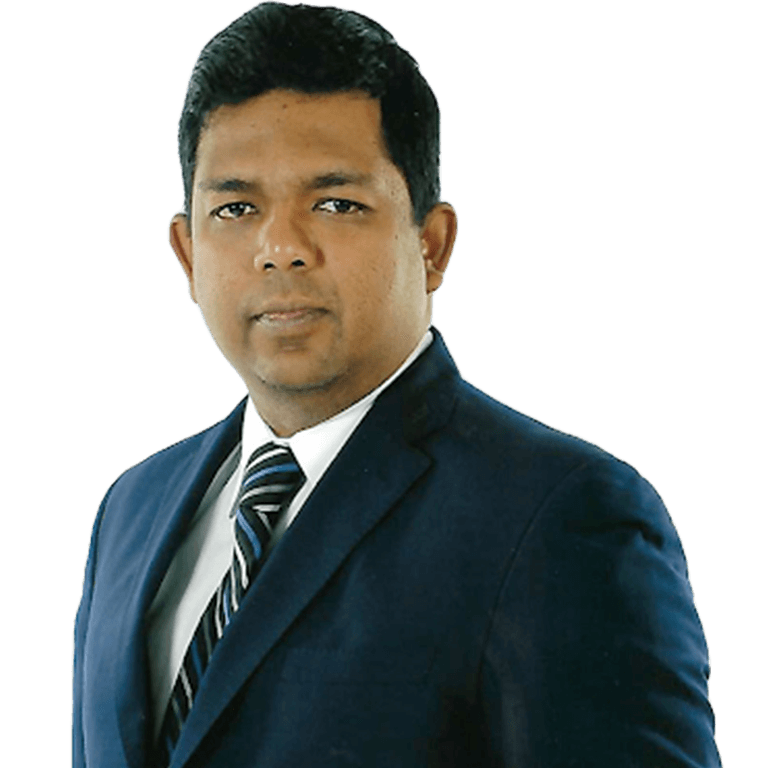
Reviewed by
Naren Arulrajah
CEO & Founder, Ekwa Marketing
Naren Arulrajah is the CEO and Founder of Ekwa Marketing, a 300-person dental marketing agency that has helped hundreds of practices grow through SEO, reputation management, and digital strategy. A published author of three books on dental marketing, contributor to Dentistry IQ, co-host of the Thriving Dentist Show and the Less Insurance Dependence Podcast, and a member of the Academy of Dental Management Consultants. He has spent 19 years focused exclusively on helping dental practices succeed online.