Knowing you need to reduce insurance dependence is one thing. Actually doing it is another. The gap between intention and action is where fears and mistakes live. This article identifies the most common pitfalls dentists encounter when dropping PPO plans and provides proven strategies to overcome each one.
The Three Most Common Mistakes Dentists Make
Mistake #1: Poor Patient Communication
The Problem: The single most common mistake dentists make when resigning from PPO plans is failing to communicate face-to-face with patients about the decision. Instead, they send a letter or email, treating it as an administrative notification rather than a practice-defining conversation.
Why is this a mistake? Because impersonal communication triggers anxiety and resistance. When patients receive a letter saying you're dropping their insurance, they feel:
- Abandoned—as if their business no longer matters
- Confused—they don't understand why
- Worried—they're concerned about costs
- Disrespected—they're being told, not asked
The Solution: Have face-to-face conversations with your patients, especially your best, long-term patients. Explain the change personally. Share your reasoning: declining fees, rising overhead costs, and your commitment to providing better care at full fees rather than rushing through discounted appointments.
During these conversations, listen more than you talk. Address their concerns directly. Help them see that your PPO resignation is actually good for them—they'll get more time, better care, and a stronger doctor-patient relationship.
Mistake #2: Inadequate Team Preparation
The Problem: Many dentists announce PPO resignations to patients before adequately training their team. This creates a communication disaster. Team members who don't understand the change or don't believe in it will convey doubt to patients, undermining the entire transition.
Without proper training, your team will:
- Apologize for the change, signaling it's negative
- Be unsure how to discuss fees and payment options
- Struggle to handle patient objections
- Lose confidence in the practice direction
The Solution: Invest in thorough team training before announcing any changes. This includes:
- Understanding the why: Team members need to understand your financial challenges and the benefits of going fee-for-service
- Communication scripts: Practice how to discuss the change with patients, answer objections, and present treatment plans without insurance constraints
- Role-playing: Have team members practice difficult conversations so they feel confident when they happen with real patients
- Ownership: Help team members see how your success benefits them (better work environment, no more insurance battles, sustainable practice)
Mistake #3: No Plan to Replace Lost Patients
The Problem: The most dangerous mistake is dropping PPO plans without having a system to attract new fee-for-service patients. Even if you retain 80-90% of your PPO patients, you'll lose some. If you have no way to replace them, your schedule becomes empty and revenue plummets.
The Solution: Build your new patient source BEFORE you resign from PPO plans. This might include:
- Digital marketing: SEO, Google Ads, social media targeting quality patients
- Referral programs: Incentivize existing patients to refer friends and family
- Community relationships: Build visibility through speaking, volunteering, or partnerships
- Direct outreach: Personal relationships and word-of-mouth from your network
The key metric: you need new patients coming in regularly BEFORE you announce your PPO resignation. This ensures your schedule stays full during the transition.
The Five Biggest Fears (And How They're Usually Exaggerated)
Fear #1: "Patients Will Leave En Masse"
This is THE fear that keeps most dentists from reducing insurance dependence. The mental image is terrifying: you resign from PPO plans and suddenly 70% of your patient base vanishes.
Reality check: This almost never happens. When practices handle the transition properly—with clear communication, strong patient relationships, and genuine care—they retain 80-95% of patients. Some leave, yes. But not most.
The dentists who lose large numbers of patients are typically those who:
- Send impersonal letters instead of having conversations
- Don't explain the reasoning clearly
- Have weak patient relationships to begin with
- Don't have a value proposition beyond "we take your insurance"
If you've built strong relationships and your patients value your care, they'll stay. Prove this by having those conversations with your best patients—you'll usually find their response is more positive than you expected.
Fear #2: "Insurance Companies Will Blacklist Us"
Some dentists worry that resigning from one PPO will damage their relationship with other insurance companies or create barriers to rejoining if they change their mind.
This fear is largely unfounded. Insurance companies don't blacklist dentists for resigning. They understand that some dentists choose not to participate. You can resign and rejoin if circumstances change. Your resignation is a business decision, not a personal betrayal.
Fear #3: "We Don't Know How to Discuss Fees Without Insurance"
This is really about confidence and communication skills. Many dentists grew up in a PPO environment and never learned to talk about fees directly with patients.
The solution is simple: train, practice, and build confidence through role-playing. Your team needs to become comfortable having fee conversations. This is a learnable skill. After a few weeks of practice, it becomes natural.
Fear #4: "Our Overhead Is Too High to Make This Work"
If your overhead is 75-80%, you're right—you'll struggle with a fee-for-service model in the short term. But here's the key insight: when you drop PPO plans, your overhead often improves naturally.
- Administrative work decreases (less insurance paperwork)
- Your efficiency improves (longer appointment times for better diagnosis and planning)
- Collections improve (full fees instead of discounted fees)
- Team stress decreases (fewer insurance battles)
The practices that successfully transition often find their overhead drops 3-5% just from the operational improvements alone.
Fear #5: "Now Isn't the Right Time"
This is the most dangerous fear because it's often a disguise for hesitation. "Now isn't the right time" can mean "never." Years go by while you wait for perfect circumstances that never arrive.
Here's the truth: There is rarely a perfect time. There's always inflation, always overhead pressure, always patient concerns. But there are good times and better times. And waiting often makes things worse—insurance fees continue to decline, overhead continues to rise, and your frustration continues to build.
The question isn't "Is now the perfect time?" It's "Are we ready enough, and is the pain of staying in PPO plans greater than the risk of transition?"
Five Simple Preparation Steps You Can Do Right Now
Start These Before Announcing Your Resignation
1. Analyze Your Current Situation Pull your data. How many patients are PPO patients? How much are you writing off annually? What's your average fee vs. your contracted rate? Understanding the numbers gives you confidence in the decision.
2. Identify Your Strongest Patient Relationships Make a list of your 20-30 best patients—those with the longest relationships, highest case acceptance, and strongest trust in you. These are your best candidates for individual conversations about the change.
3. Build a New Patient Source Start a marketing initiative now. This could be digital marketing, referral programs, or community outreach. You want new patients flowing in for 2-3 months before you announce any PPO resignation.
4. Train Your Team Have team meetings where you explain the financial situation, discuss the benefits of going fee-for-service, and practice communication scripts. Make sure everyone understands the why and feels prepared for the how.
5. Create Your Communication Plan Decide which PPO plan to drop first (usually your lowest-paying plan), set your effective resignation date, draft your patient communication, and plan for individual conversations with your best patients.
The Mindset Shift That Makes Everything Easier
Here's what separates dentists who successfully reduce insurance dependence from those who don't: their mindset.
Dentists who struggle often approach PPO resignation from a position of fear and scarcity: "What if we lose patients? What if we can't survive without insurance?" This mindset leads to poor decisions and hesitant communication.
Dentists who succeed approach it from a position of clarity and confidence: "We provide excellent care. Our patients value us. We're going to build a thriving practice based on direct relationships with our patients, not insurance company relationships." This mindset leads to clear communication and confident execution.
The irony: Both groups might face the same actual challenges. But one navigates them successfully because they believe they can, while the other struggles because they doubt themselves.
Your mindset shift starts with understanding one simple truth: Your patients aren't staying because of insurance. They're staying because of you. If that's true, then taking away the insurance variable doesn't threaten your practice—it strengthens it by removing the noise and focusing on the real value: your clinical skill and your relationship.
Ready to Overcome These Obstacles?
Get personalized support in preparing for your PPO transition and avoiding these common pitfalls.
Schedule a Consultation with GaryParent Article: Learn about timing and readiness in our comprehensive timing and readiness guide.
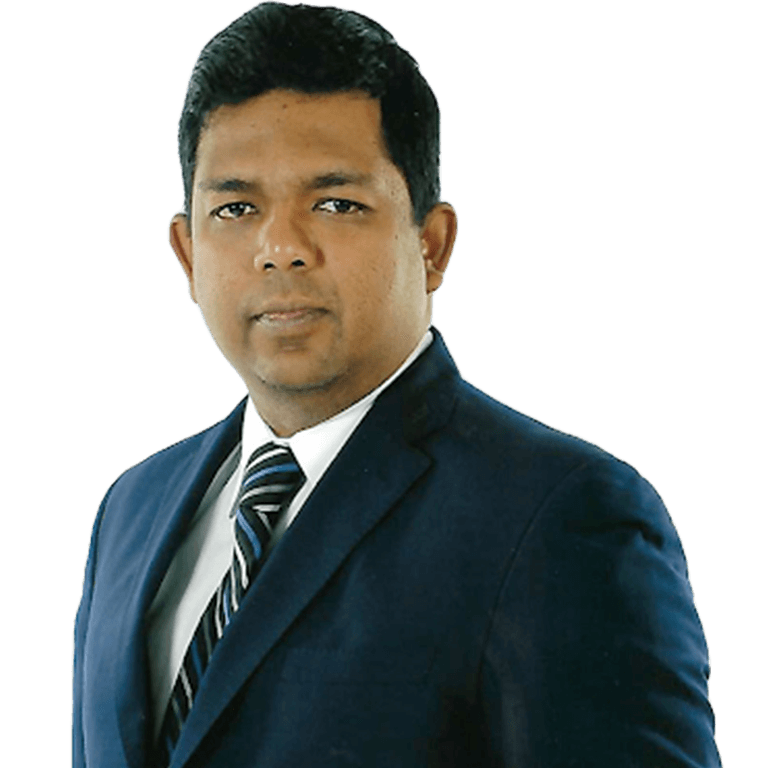
Reviewed by
Naren Arulrajah
CEO & Founder, Ekwa Marketing
Naren Arulrajah is the CEO and Founder of Ekwa Marketing, a 300-person dental marketing agency that has helped hundreds of practices grow through SEO, reputation management, and digital strategy. A published author of three books on dental marketing, contributor to Dentistry IQ, co-host of the Thriving Dentist Show and the Less Insurance Dependence Podcast, and a member of the Academy of Dental Management Consultants. He has spent 19 years focused exclusively on helping dental practices succeed online.