Financial independence means the day and time when you can go to work because you want to, not because you have to. For most dentists, this goal feels distant or impossible. Yet the barrier isn't your income—it's how your income is being spent on PPO write-offs. Understanding the true cost of insurance dependence is the first step toward building real wealth.
The Two Paths to Wealth for Dentists
Path 1: Annual Net Profit
Every year, your practice generates profit. This is spendable income that funds your lifestyle, investments, and retirement savings. The more annual profit you generate, the more you can invest and save for retirement.
Path 2: Practice Valuation
When you eventually sell your practice, it will be valued based on profitability and market conditions. A highly profitable practice with strong revenue and systems is worth significantly more than a practice barely breaking even. This sale provides a lump sum that becomes part of your retirement funds.
Both paths matter. Building wealth requires maximizing both your annual profit and your practice's long-term value.
The PPO Write-Off Crisis
PPO write-offs are the silent killers of dental practice profits. Here's a real example: A practice collects $1 million in revenue, but loses over $500,000 annually to PPO write-offs. This means the practice is actually operating on $500,000 in real income, not $1 million.
When you reduce annual profit by 50% through write-offs, you accomplish several devastating things:
- You reduce annual investment capacity by half
- You lower your practice's valuation by approximately 50%
- You delay financial independence by potentially 20+ years
- You create unnecessary stress managing higher patient volume for the same profit
Building Your Retirement Fund: The $10 Million Rule
To retire comfortably and maintain your lifestyle indefinitely, most financial advisors recommend accumulating approximately $10 million in retirement funds. Using the "4% withdrawal rule" (withdrawing 4% annually), a $10 million portfolio generates $400,000 per year indefinitely.
If your current lifestyle costs $300,000 annually, a $7.5 million portfolio would sustain it. If it costs $500,000, you'd need $12.5 million.
How PPO Practices Miss This Goal
Consider two dentists over a 35-year career:
- Dentist A (PPO-Dependent): Collects $800,000 annually but has $400,000 in PPO write-offs. Real net profit: $200,000 after expenses. Investment capacity: $100,000/year.
- Dentist B (FFS): Collects $600,000 annually with no write-offs. Real net profit: $300,000 after expenses. Investment capacity: $200,000/year.
Over 35 years with 7% annual investment returns, Dentist A accumulates approximately $14.5 million, and Dentist B accumulates approximately $26.5 million. Dentist B achieves financial independence 10+ years earlier despite lower gross collections.
Smart Financial Strategies for Dentists
Maximize Tax-Advantaged Retirement Plans
401(k) plans, defined benefit plans, and Solo 401(k)s allow you to save significant income tax-free. For self-employed dentists, defined benefit plans can allow annual contributions of $50,000-$100,000+ annually, dramatically accelerating retirement savings.
Diversify Income Beyond the Practice
Real estate investments, business ownership, and other ventures diversify your wealth-building capacity. Many successful dentists build wealth through real estate, especially if their practice real estate is owned personally and leased to the practice.
Control Practice Overhead
Your overhead percentage directly impacts your profit. A 65% overhead practice generates 35% profit. A 50% overhead practice generates 50% profit. This difference compounds dramatically over a career. Every percentage point of overhead reduction increases your wealth-building capacity by 3-5%.
Build Practice Value Through Systems
Practices with strong systems, marketing, and team are worth significantly more when sold. Investing in systems and team development increases both your annual profit and eventual practice valuation.
Why Insurance Dependence Destroys Wealth-Building
Insurance dependence is a wealth-killer because it combines low profit with high stress:
- Lower Profit Margin: Write-offs reduce actual net profit 30-50%
- Higher Volume Required: You must see more patients to generate the same profit
- Less Control: Insurance companies control your fees and reimbursement schedules
- Deferred Profits: Slower profit accumulation delays all wealth-building goals
Conversely, fee-for-service practices generate higher profit per patient, require lower volume, provide more control, and accelerate wealth-building significantly.
The Busy vs. Productive Distinction
Many insurance-dependent practices are extremely busy but not productive in terms of profit generation. You can work 12-hour days, manage large patient volumes, and still generate minimal profit if that volume consists of low-margin insurance cases.
Productivity, from a financial perspective, means profit per hour. A practice generating $300/hour in profit (FFS) is far more productive than one generating $150/hour (PPO-heavy), even if the PPO practice is busier.
Creating Your Path to Financial Independence
Building financial independence through your dental practice requires:
- Understanding your true net profit (collections minus all expenses including write-offs)
- Reducing PPO dependence to improve profit margins
- Investing a percentage of profits systematically
- Building practice systems and value for eventual sale
- Maintaining appropriate overhead discipline
The dentists who achieve financial independence aren't always the ones with the highest collections. They're the ones who built profitable, efficient practices with strong systems and strategic financial planning.
← Back to Pillar: The Dental Practice Owner's Guide to Financial FreedomReady to Build Real Wealth From Your Practice?
Get a personalized assessment of your practice's profit structure and a roadmap to financial independence.
Schedule Your Financial Strategy SessionBased on Episode 336 of the Less Insurance Dependence Podcast and discussions covering financial planning strategies for dental practices. Content reflects analysis of over 2,200 dental practices and their financial outcomes.
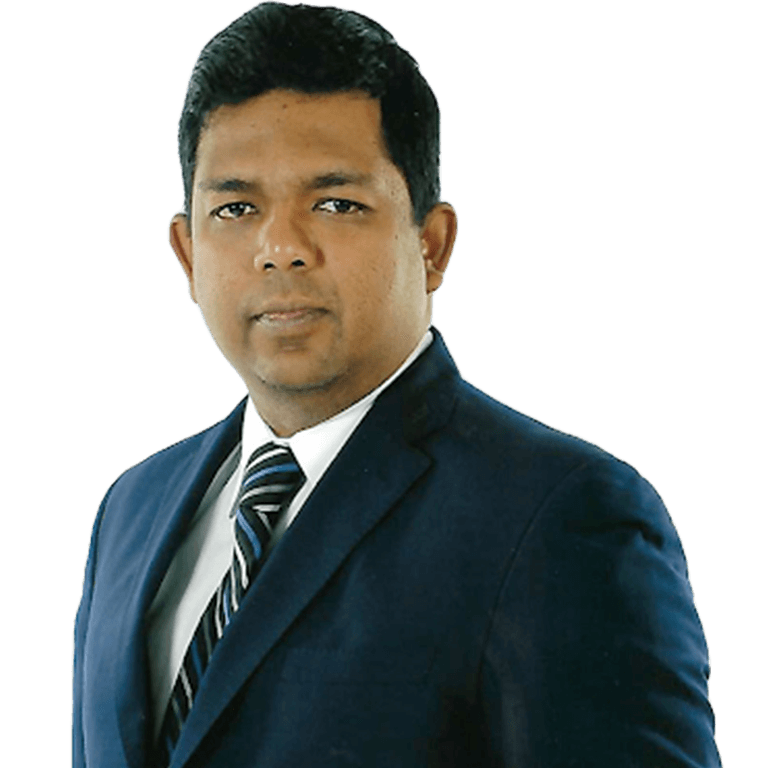
Reviewed by
Naren Arulrajah
CEO & Founder, Ekwa Marketing
Naren Arulrajah is the CEO and Founder of Ekwa Marketing, a 300-person dental marketing agency that has helped hundreds of practices grow through SEO, reputation management, and digital strategy. A published author of three books on dental marketing, contributor to Dentistry IQ, co-host of the Thriving Dentist Show and the Less Insurance Dependence Podcast, and a member of the Academy of Dental Management Consultants. He has spent 19 years focused exclusively on helping dental practices succeed online.